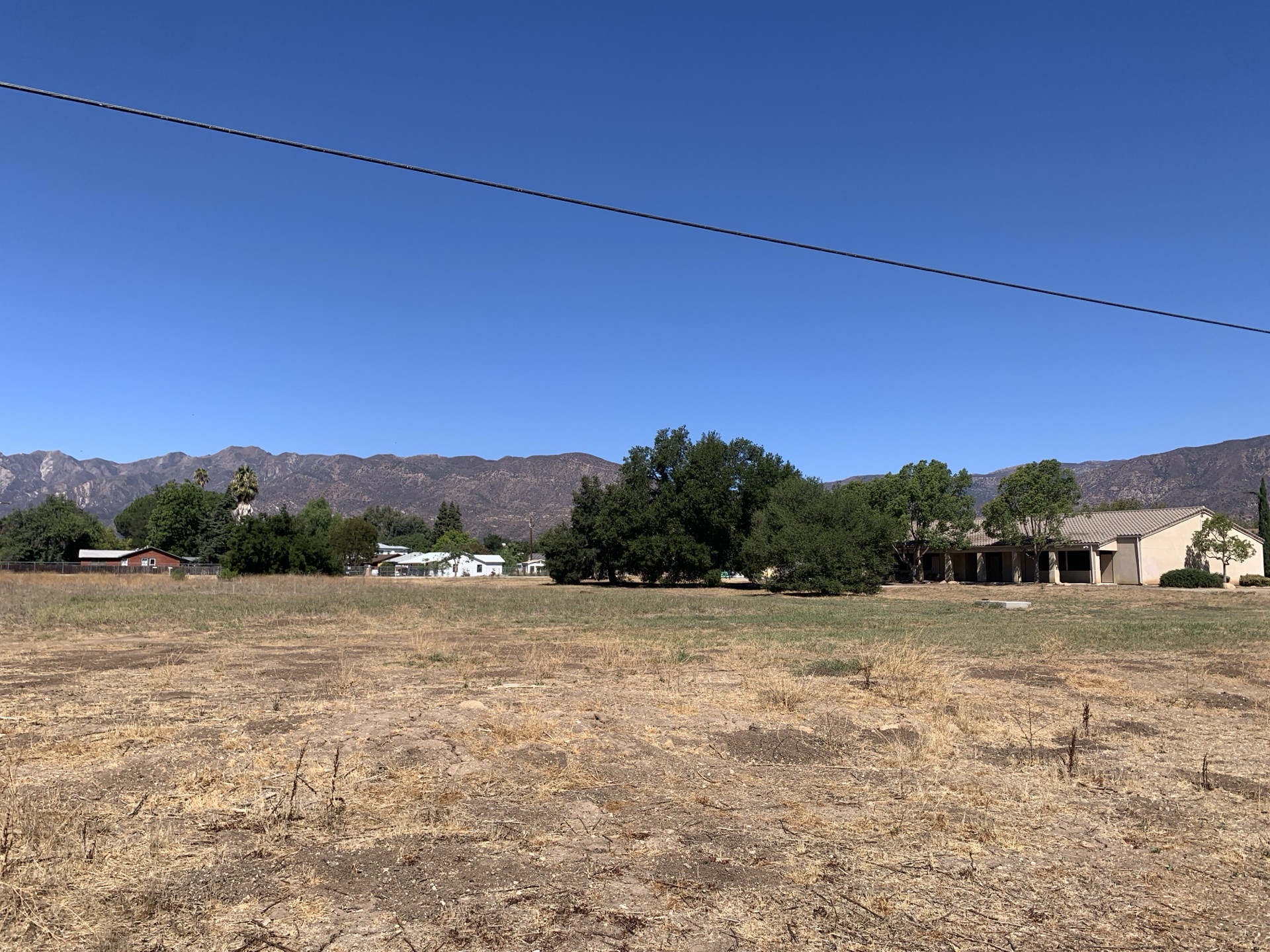
A long-tenure seller has a different experience than someone selling a home they bought five years ago. The home is more complex. The emotional layer is heavier. And the tax picture - especially for homes bought in the eighties or earlier - is different in ways most sellers don’t realize until they’re in the middle of it.
This is for people who’ve lived in their Ojai home long enough to have raised kids here, replaced a roof, patched a well, and watched the valley change around them.
What to fix, and what not to
The instinct for long-tenure sellers is often to over-fix before listing. Twenty years of “we’ll get to that” projects suddenly feel urgent.
Slow down. Some fixes are worth it. Most aren’t.
Worth doing:
- Roof, if near end of life. Buyers and insurers both care.
- Defensible space compliance (AB 38). You’re selling it anyway; clearing brush is one of the few fixes that also raises the market’s confidence.
- Functional plumbing and electrical. Leaks, GFCI compliance, panel age.
- A deep clean and decluttering. This does more than most renovations.
Usually not worth it:
- Kitchen or bath remodels. You rarely recover the cost in Ojai’s market unless the existing condition is unusually bad.
- Landscaping overhauls beyond defensible-space clearing. The garden you’ve tended for years reads as character; new-from-the-box landscaping rarely returns what it costs.
- Cosmetic choices aimed at a specific buyer profile you’re imagining. The house sells itself to whoever it sells itself to.
The property-management reflex: fix what a reasonable buyer will flag on inspection. Don’t improve what works.
What thirty years of disclosures look like
Sellers in long-tenure situations often don’t remember every repair, every insurance claim, every unpermitted addition. The seller disclosure form is legally significant, and gaps or contradictions between what you disclose and what the inspector finds create transaction risk.
Spend an hour, before you list, writing down what you remember:
- Roof work, by year if you can.
- Any fire-related work (post-Thomas, post-Wheeler if you were here).
- Any permit records from Ventura County (you can pull them).
- Water issues, septic issues, foundation work.
- Tree work, and which trees were removed and why.
- Any neighbor disputes, fence agreements, easement conversations.
Better to over-disclose than to be caught short mid-escrow.
The capital-gains conversation
This is the part long-tenure sellers most often put off. In California, on a home you’ve owned for thirty years, your gain can be substantial.
Federal rules (IRS Publication 523) provide a primary-residence exclusion of $250,000 for single filers and $500,000 for joint filers on the gain from selling a home you’ve lived in as your primary residence for at least 2 of the last 5 years. If you’re married filing jointly and your gain is $700,000, you exclude $500,000 and owe capital gains tax on the remaining $200,000. California taxes capital gains as regular income on top of federal.
For an Ojai home bought in the nineties for $300,000 and selling for $1.8M today, the numbers matter. Before you list, sit down with a CPA and run:
- Your adjusted basis (purchase price + major improvements; tracked through the receipts and records you still have)
- Your likely net sale price
- Your likely gain
- Your tax exposure
This is not your agent’s job to calculate. But your agent should remind you to have the conversation before you accept an offer, not after.
Where you go next
Long-tenure Ojai sellers fall into a few camps:
- Downsizing within the valley. Moving from a five-acre East End home to a smaller Meiners Oaks or Arbolada place. Very doable; the valley’s range of inventory supports this.
- Leaving the valley entirely. Often toward a child’s city, or to a retirement-community market elsewhere.
- Cashing out to rent. Some long-tenure sellers want to be done with home maintenance and rent a smaller place in town. This is a real option, especially if the capital-gains hit isn’t prohibitive.
Your agent should be helping you think about the next place, not just the current sale. If the answer is “move within Ojai,” you want a timeline that doesn’t trap you between selling the old home and closing on the new one. If the answer is leaving, the sale is more straightforward but the emotional piece is heavier.
The emotional layer
Most sales guides won’t mention this. Long-tenure Ojai sales carry weight. You raised a family here, or grew a garden for thirty years here, or buried a pet in the yard. It’s not a transaction the way selling a five-year hold is.
I have walked long-tenure sellers through this part of the process many times. The short version: don’t rush. Give yourself time to choose what to keep and what to pass on. Let the house carry memory out the door with you, not with the buyer.